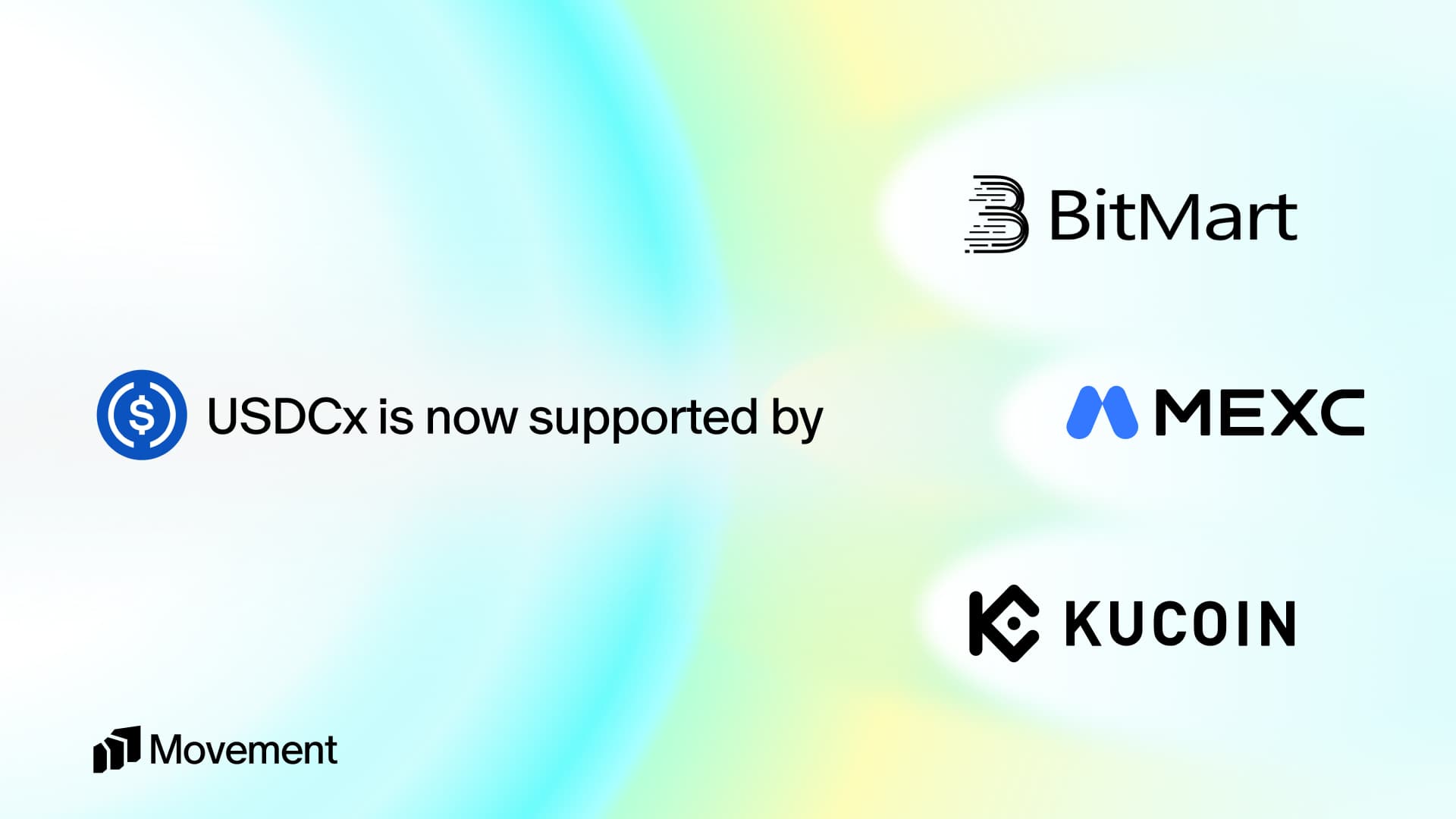
USDCx on Movement is now live on KuCoin, MEXC, and BitMart.
A stablecoin only becomes a payment when someone can turn it into local money at the other end. That is a liquidity problem, and these three listings are the start of solving it.
Enabling cross-border stablecoin payments in corridors like the US to Mexico is two problems, not one. The first is the rail the value travels on. The second is the market a person can cash out into their local currency. Most crypto conversations solve the first and quietly assume the second. The three listings this week are the second problem being addressed in public.
The rail was never the problem
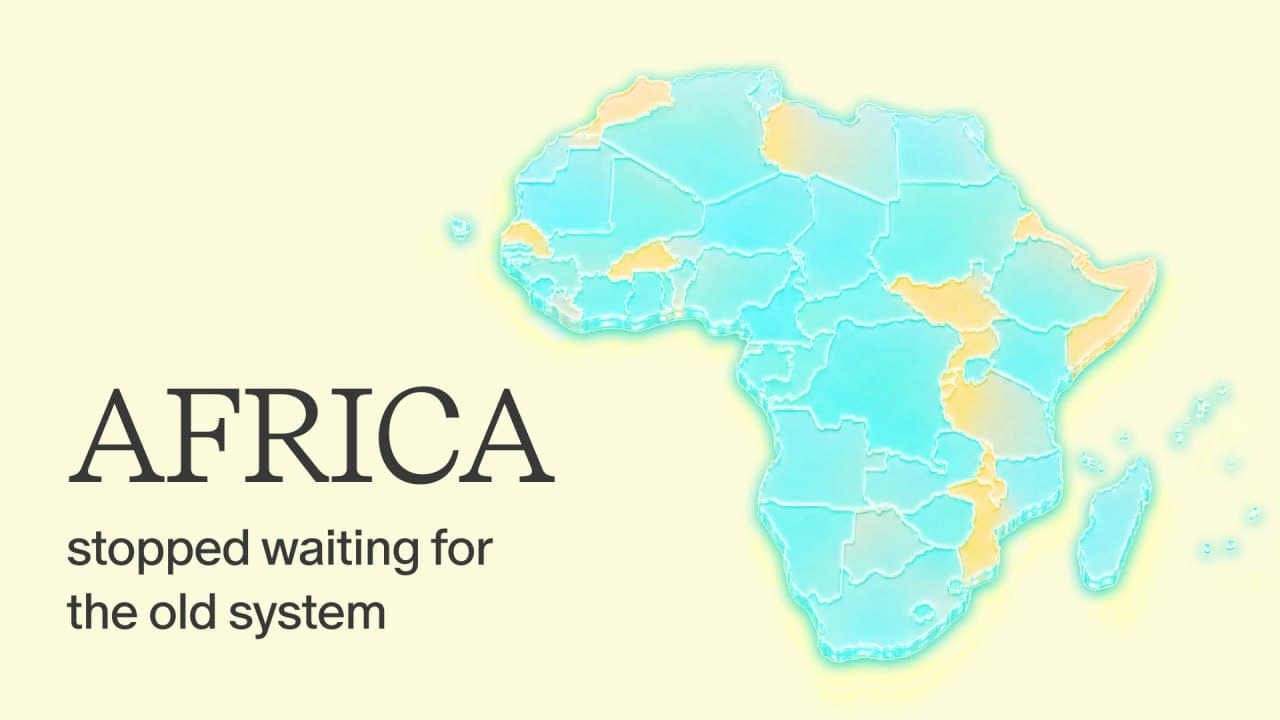
The remittance system moves about $685 billion a year to low- and middle-income countries. Senders still pay an average of 6.36% per transfer, according to the World Bank's Remittance Prices Worldwide for Q3 2025. The cost is not evenly spread. Sending to Sub-Saharan Africa averages 8.78%. South Asia, the cheapest major region, still runs 5.18%. Movement was built for these corridors: US to Mexico, East and West Africa, Southeast Asia, South Asia.
None of that is a technology problem. A dollar moves on the Movement Network in 278ms. McKinsey's 2025 report "The Stable Door Opens" puts total stablecoin settlement above $27 trillion a year, still under 1% of global money flow but compounding faster than any legacy rail, and it makes the point that stablecoins reach people through a wallet rather than a bank account. The technology to move dollars works. The reason a worker in the Philippines waits days and loses a chunk to fees is not the rail. It is what happens at the end of the trip, where digital dollars have to become money someone can spend that afternoon.
Liquidity is where remittances stall
Conversion requires deep, liquid markets. The firms building stablecoin payments in emerging markets are blunt about it: the off-ramp, turning a stablecoin back into local fiat, is the hardest part of the whole chain. Spark's research on emerging-market adoption calls it the most critical barrier there is.
The trading world already understands why depth matters. Gravity Team reports that over 90% of stablecoin flow stays within trading and DeFi, with only 5 to 10% in actual payments. That is not a demand problem. It is that liquidity has pooled around exchange pairs, not around the corridors where people send money home. Deep markets tighten spreads and let a large conversion clear without moving the price against the person doing it. A remittance corridor needs exactly that depth, in exactly those places, or the fastest rail in the world dead-ends at the payout.
Exchange listings scale conversion depth
USDCx on Movement is native USDC issued on the Movement Network, backed 1:1, with reserves onchain and no bridge between the token and its backing. The token is sound. What it needed was more markets to trade in. KuCoin, MEXC, and BitMart each add one, and each has real reach across the regions those corridors run through.
Every venue where USDCx trades is another point where a neobank, a payment platform, or a person can move between USDC and the money they actually use. A listing is not a marketing win. It is the difference between a stablecoin that trades well and one that pays. Liquidity is the first step, not the finish line. It is what makes everything downstream possible, the payout, the cash-out, and the local account.
This is not theoretical for Movement. KAST already runs 18,000 KYC-verified users across 160 countries on the network, growing 30% month over month. Those are people transacting, not idle wallets. More liquidity for USDCx creates room for the next 18,000.
The rail is live. The token is native. As of this week it trades on three more venues. The work now is building depth in the specific corridors where 6.36% and 8.78% still get charged, making the on-ramp and off-ramp as liquid as the rail is fast. That is the order it has to happen in: liquidity first, then the remittance follows.
Building stablecoin payment infrastructure for neobanks or payment platforms? Contact our team to integrate with Movement.