Since we launched in 2025, Move Industries has been singularly focused on harnessing the Movement chain's potential to build a truly frictionless global payments network that serves the people who need it most.
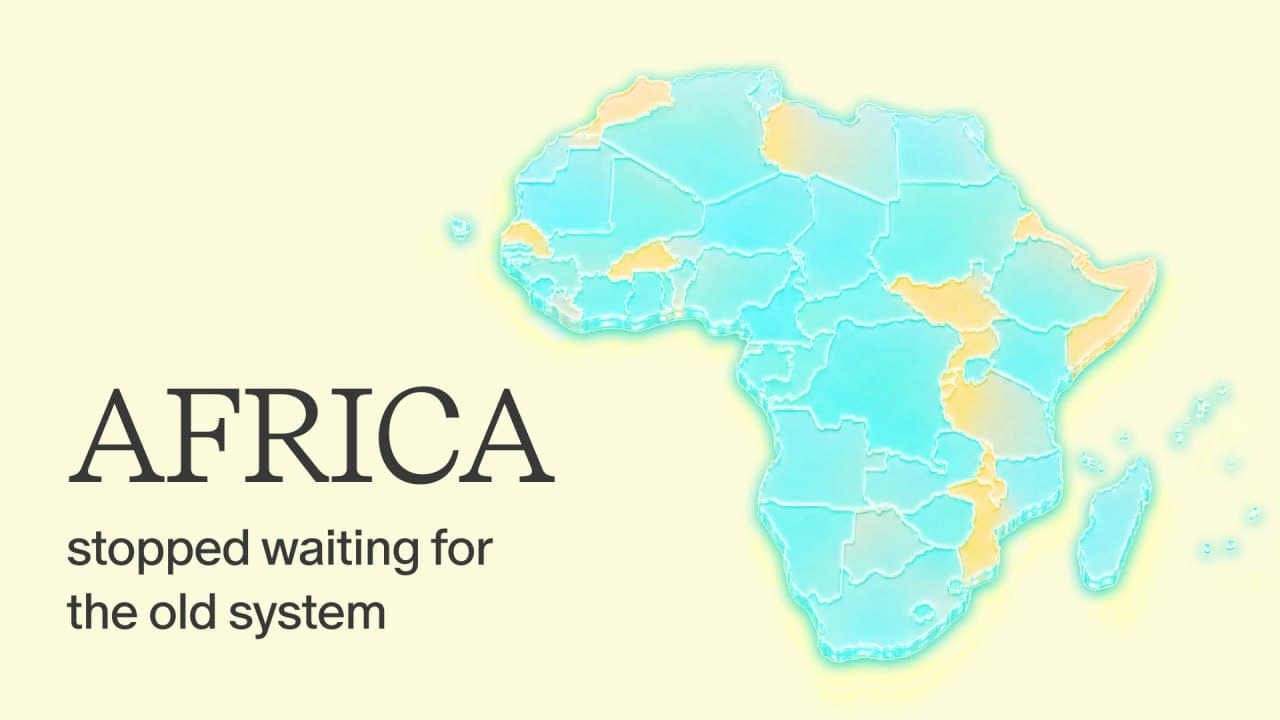
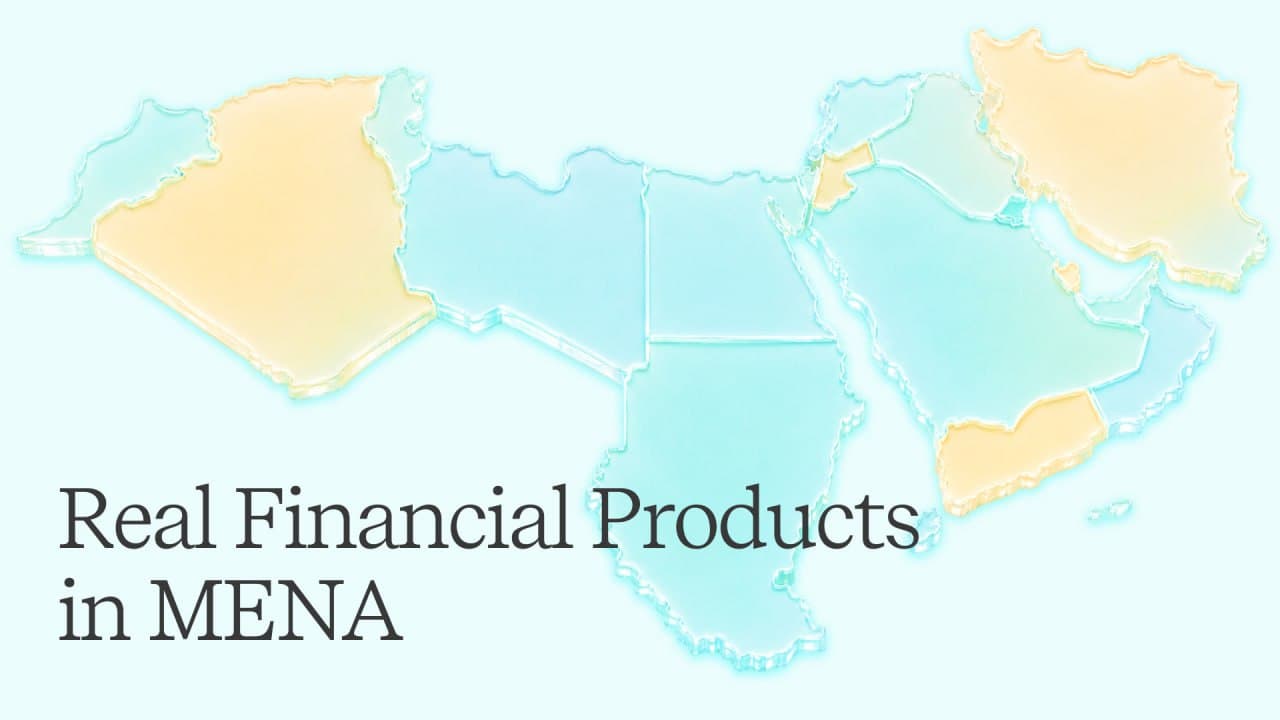
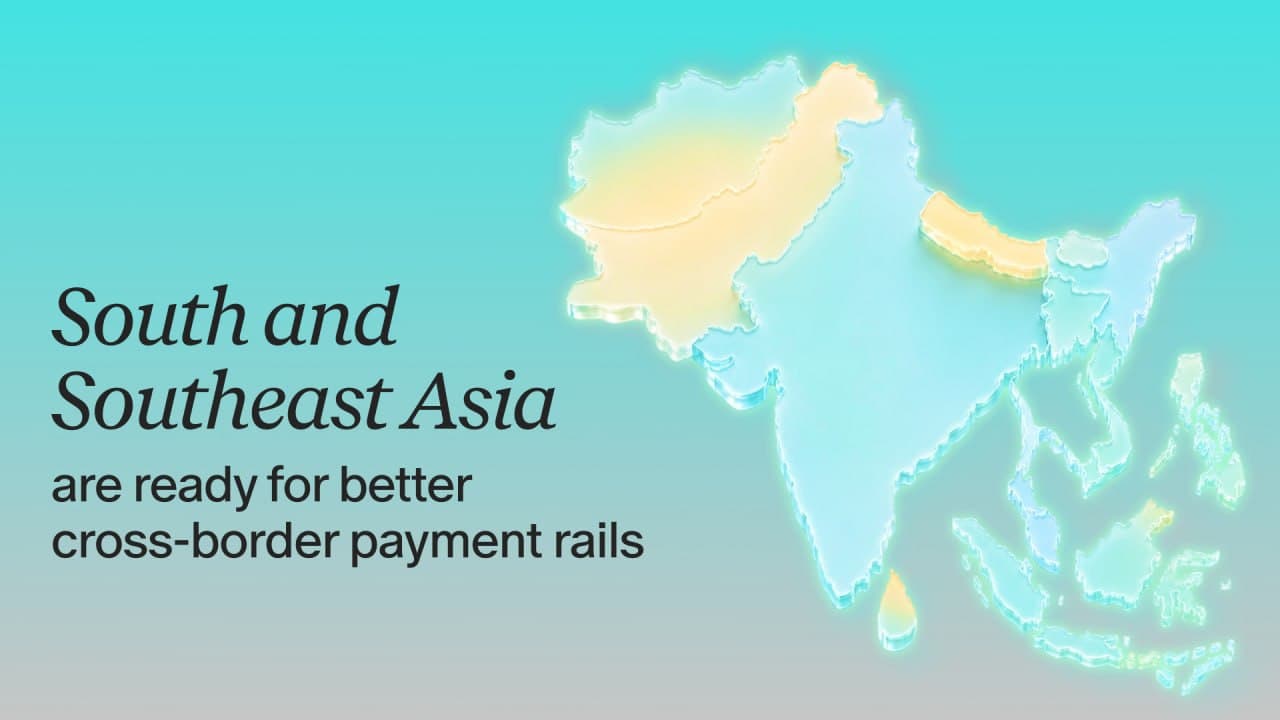
Regionally, this means we are laser-focused on four geographic areas: Sub-Saharan Africa, the Middle East and Africa (MENA), Latin America, and South and Southeast Asia. All of these areas demonstrate both a huge need for faster, cheaper payments and remittances and - perhaps most importantly - a strong appetite to adopt the new systems that can deliver on this need.
The haves and the have-nots
The World Bank’s latest Remittance Prices Worldwide report shows the yawning gap between developed and developing markets in remittance costs and speed. [Source: World Bank, Remittance Prices Worldwide, Q3 2025]
While the average global remittance fee stood at 6.36% in Q3 2025, in Sub-Saharan Africa - the worst-affected region - the cost of receiving money was over 2% higher, at 8.46%.
The statistics are more favorable for Asia, where the average cost of remittances was 5.30% in South Asia and 5.83% in East Asia and the Pacific. This was, in fact, better than the average cost of receiving money in Europe and Central Asia, which stood at 6.8% at the end of last year.
When it comes to the cost of sending money, though, the picture is quite different. While remittance fees average 7.31% when sending money from China, 5.3% from India and 5.1% from Indonesia to G20 countries, it costs Germans and Britons an average of just 4.49% and 4.61%, respectively, to send money anywhere in the world.
The report shows that South Asia also suffers the slowest speed of remittances across all global regions for both digital and cash payments, closely followed by East Asia and the Pacific, where the speed of digital payments lags particularly hard. This is, in large part, due to reliance on traditional banking rails, meaning cash services are often faster.
Asian adoption
It is no surprise, then, to see the rate of cryptocurrency adoption strongest in developing Asian countries. Vietnam, for example, ranked first in Chainalysis’ global crypto adoption index in both 2021 and 2022, and still ranked fourth in 2025. That kind of staying power points to something deeper than market cycles. There is a suggestion that digital asset usage has already become part of everyday financial behavior for a meaningful portion of users. [Source: The 2025 Global Adoption Index]
This is part of what makes the region so important. South and Southeast Asia are not waiting for a use case. The need is already there, and users are already comfortable adopting new financial tools when they are better than what is currently available.
Indeed, one of Movement’s partner projects - Stableyard - has seen strong growth for its Dopepay wallet in Vietnam and the Philippines. Like Apple Pay for crypto, Dopepay allows users to pay via any local QR code using crypto, while the merchant receives the local fiat currency. Dopepay runs on Stableyard rails and exists to show the network supports both sides of the transaction: merchants and users.
Dopepay currently has over 4,800 users across Vietnam and the Philippines and is onboarding more than 150 new users per day.
Meanwhile, Stableyard and Dopepay are helping businesses in the region reduce costs and payment times. Currently, business-to-business transactions in Southeast Asia can take between 4-5 business days to complete and cost an average of 5%. With Dopepay, waiting transactions are instant and fees are reduced to just 1%.
This is the exact kind of signal we are paying attention to. South and Southeast Asia need better payment rails, have a willingness to engage with new tools, and a clear demand on both the consumer and merchant side. These are the dynamics that make South and Southeast Asia an important market for the next phase of global payment infrastructure.