A person can have money yet remain unable to use it because those dollars sit in an account controlled by someone else. The local currency is worth a little less by the weekend. Sending it across a border takes days and loses a cut at every stop. Roughly 1.4 billion adults are unbanked (World Global Finance Findex), and hundreds of millions more hold accounts exposed to inflation, currency controls, and frozen deposits. The money is real, but the system was never built for them.
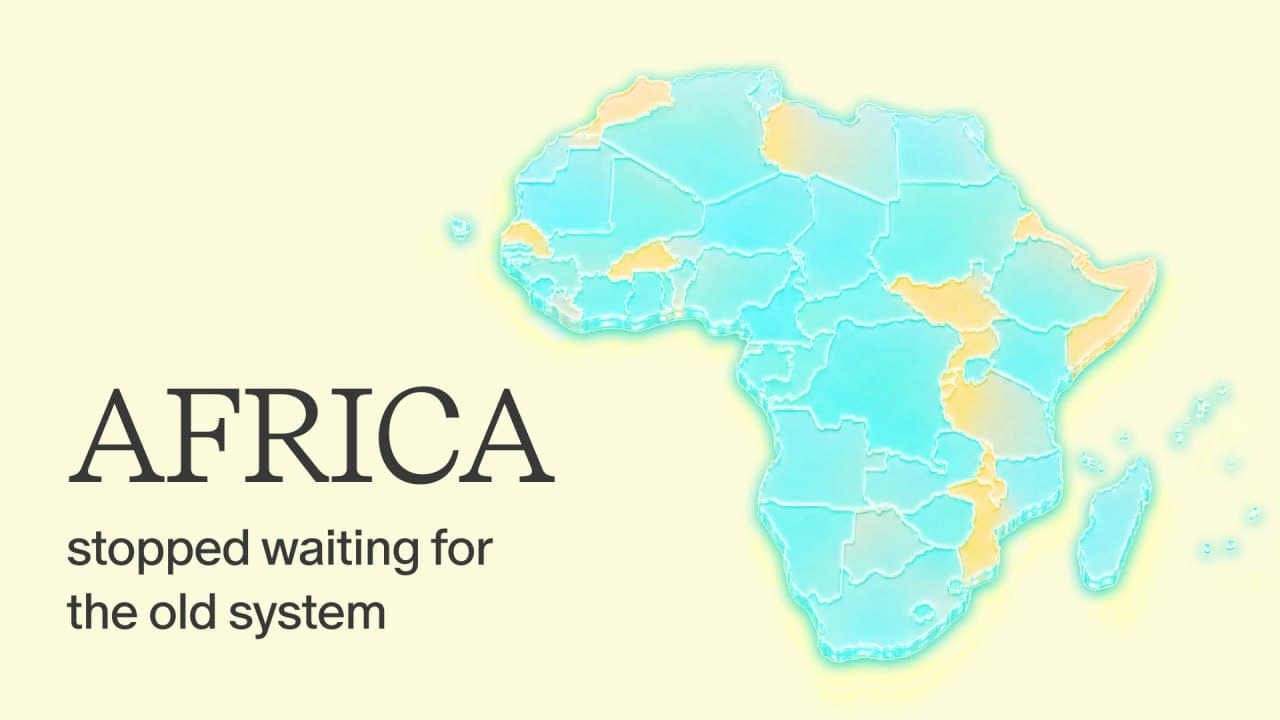
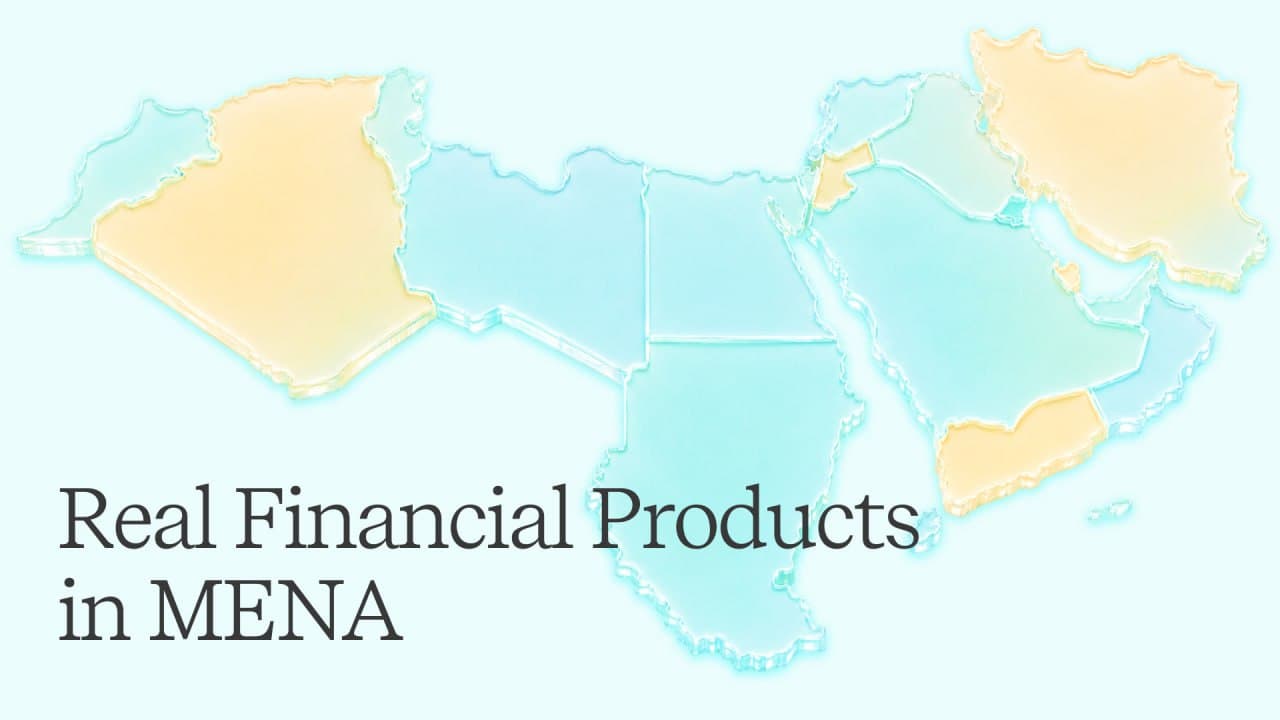
Hesab built a banking framework that changes this system. It runs on a phone, works on a twenty-dollar handset, and needs no branch and no paperwork. Users hold their own keys, so the balance belongs to them and not to Hesab. They can hold dollars, send them to anyone, spend them on a ubiquitous global card network, and cash in or out through a local agent. Founded in 2018, Hesab now processes $160 million a month across more than a million transactions for users in over 160 countries. Its next expansion targets markets in the Global South, corridors across Africa and the Middle East.
What Hesab needed was a settlement layer that could move that money as fast as it promised users, without parking billions in pre-funded capital to fake the speed.
What the old rails cost
Remittances to low and middle-income countries reached $685 billion in 2024 (World Bank/KNOMAD). Most of that still moves through correspondent banking, which takes two to five days to clear and charges a global average of 6.36% per transfer (World Bank Remittance Prices Worldwide). The delay and the fee come from the same place. To settle a cross-border payment fast, a provider has to pre-fund an account in the destination market and let money sit there idle, waiting. Someone pays for that idle capital. The sender does, every time, in the spread and the wait.
That model has not materially changed in fifty years. It was designed for banks moving large sums between financial centers, not for a worker sending two hundred dollars home every month. The people who send the most frequent, smallest transfers pay the highest effective rate for the privilege.
Where Movement comes in
Movement is the stablecoin settlement and yield layer built for these markets, with access to licensed payment rails across the United States, Canada, and the European Union. It settles in real time, sub-second, and removes the pre-funded float and the correspondent bank chain behind it. That regulated footprint is what separates it from networks that can move stablecoins but cannot touch compliant fiat on and off ramps. Hesab is the first major platform to build its bank on that infrastructure.
The stack behind the bank
DFNS provides the wallet infrastructure, so Hesab can issue millions of non-custodial wallets at scale and users hold their own keys without managing seed phrases. Movement settles the stablecoin transactions across corridors. Circle's CCTP moves native USDC across blockchains. Tether supplies USDT liquidity in corridors where it is the preferred dollar. Licensed ramp partners connect users to cash-in and cash-out points across Hesab's markets.
"Money should move at the speed of trust. Instantly, without permission, across any border," said Sanzar Kakar, Chairman of Hesab.
Consider a worker abroad who opens Hesab and funds the account through one of the twenty-plus channels Hesab supports, whether it’s by bank transfer, card, or Apple Pay. That balance is held as dollar-denominated stablecoins, USDC or USDT, in a wallet only the user controls. They tap send. The transaction settles on Movement in less than a second, not days, with no float parked in the middle to make it feel fast. The recipient chooses what the money becomes. They can hold it in dollars, spend it directly on a global issued card, or convert to local currency and collect cash through an agent. The recipient gets the money in their own account, on their own phone, the same day.
Why self-custody matters here
Most banking for the underbanked keeps custody with the provider. The user gets an app, but the balance stays on the company's books. Hesab inverts that. It’s a self-custodial wallet at its core: the keys live on the user’s device. Leave Hesab tomorrow, and the money is still yours. That design answers the exact problem those users have lived with their whole lives: accounts that freeze, currencies that get controlled, institutions that cannot be trusted with the balance. A bank you fully own removes the middleman from the one relationship that matters most.
One settlement layer, every corridor
Hesab's bank goes live for users across the Global South, starting in Africa and the Middle East. Every stablecoin transaction in it settles on Movement. As Hesab opens new corridors, the layer underneath does not change. That is the point of building on infrastructure instead of stitching rails together market by market. Hesab handles the customer. Movement moves the money.
Move is for Money.
This post is informational only and does not constitute an offer or solicitation of any digital asset, security, financial instrument, investment product, or stablecoin, or financial, investment, legal, or tax advice. Hesab's products and services are operated solely by Hesab, subject to Hesab's terms and applicable law. Products built on Movement Network by independent partners are operated by those partners subject to their own terms, eligibility criteria, and jurisdictional availability, and may not be available to US persons or in jurisdictions where prohibited. Product and performance descriptions reflect publicly available information and have not been independently verified. Forward-looking statements reflect current expectations and are not guarantees.