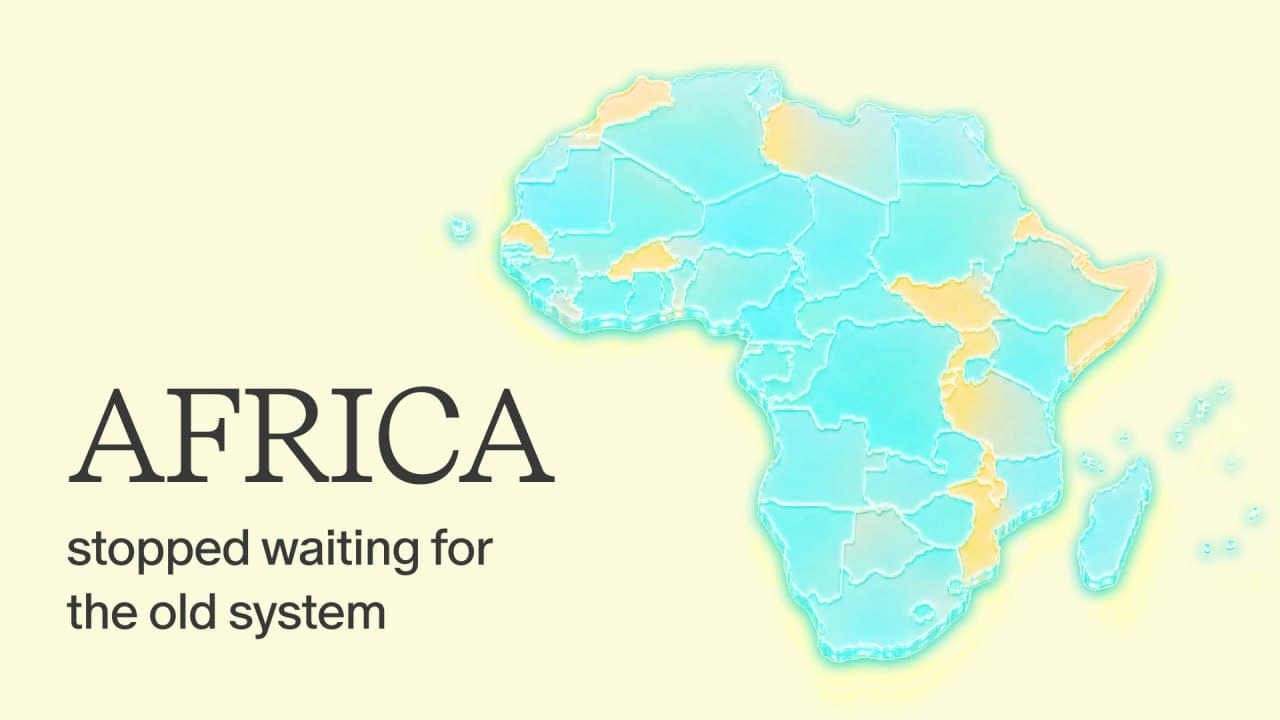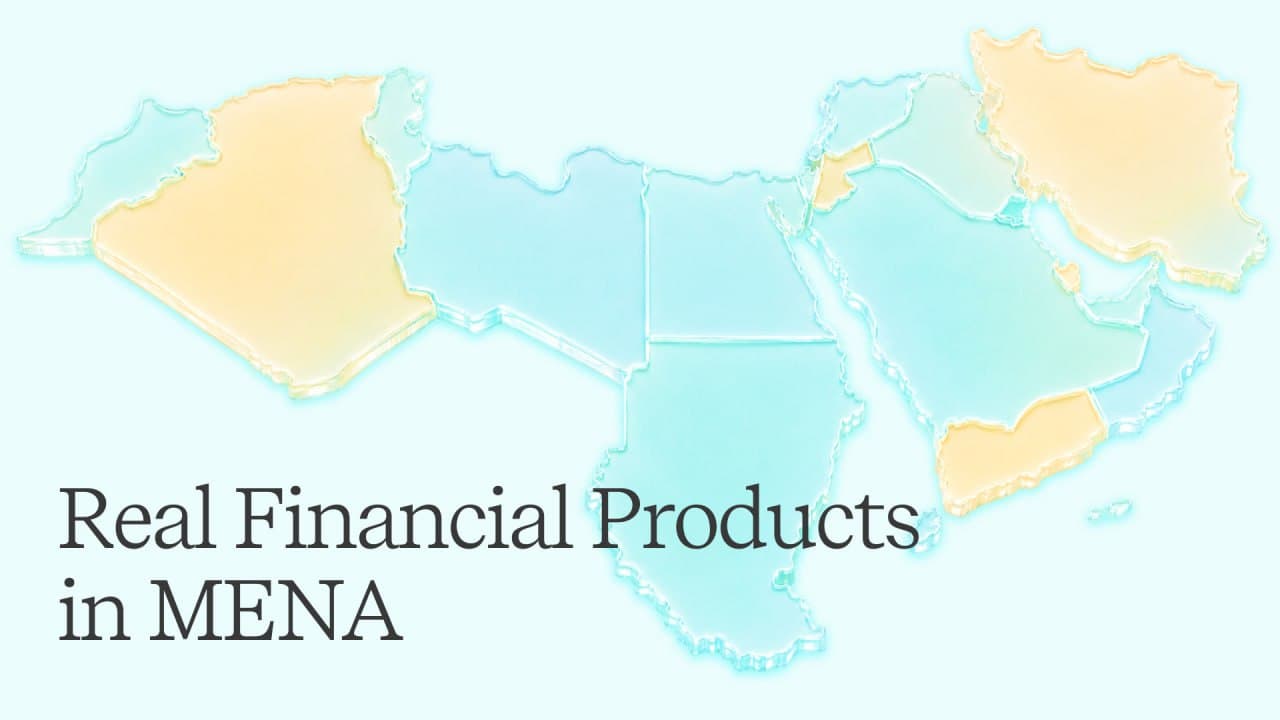
The financial system does not fail everyone equally. It fails specific people, in specific corridors, in ways that have not changed in 50 years.
I have lived on the wrong side of that line. My father came from Asia to the UK. My family moved to the US, and I myself moved to Africa. Growing up between those journeys taught me that crossing a border is a financial act as much as anything else, and the cost lands on the person who can least afford it.
I spent my career inside the plumbing. I helped bring one of the first PISPs to market in the UK. I worked on FCA-regulated projects after that. I ran ecommerce in Beijing. I have been close enough to the systems that work to understand why they do, and close enough to the ones that fail to know that technology is not the gap. The rails were never built for these markets.
My first project in this industry was a decentralized social media platform. We built it to make equal access real. The person in Karachi should have the same voice as the person in San Francisco, alongside the same access to the financial tools that come with it. That belief stayed constant with me from scaling wallets and stablecoins to real world assets, and most recently lending markets, with Fira Finance, where I grew a lending protocol to close to $500 million in TVL. The products changed. The belief did not.
The infrastructure underneath those products kept failing the people who needed it most. Good products, broken rails.
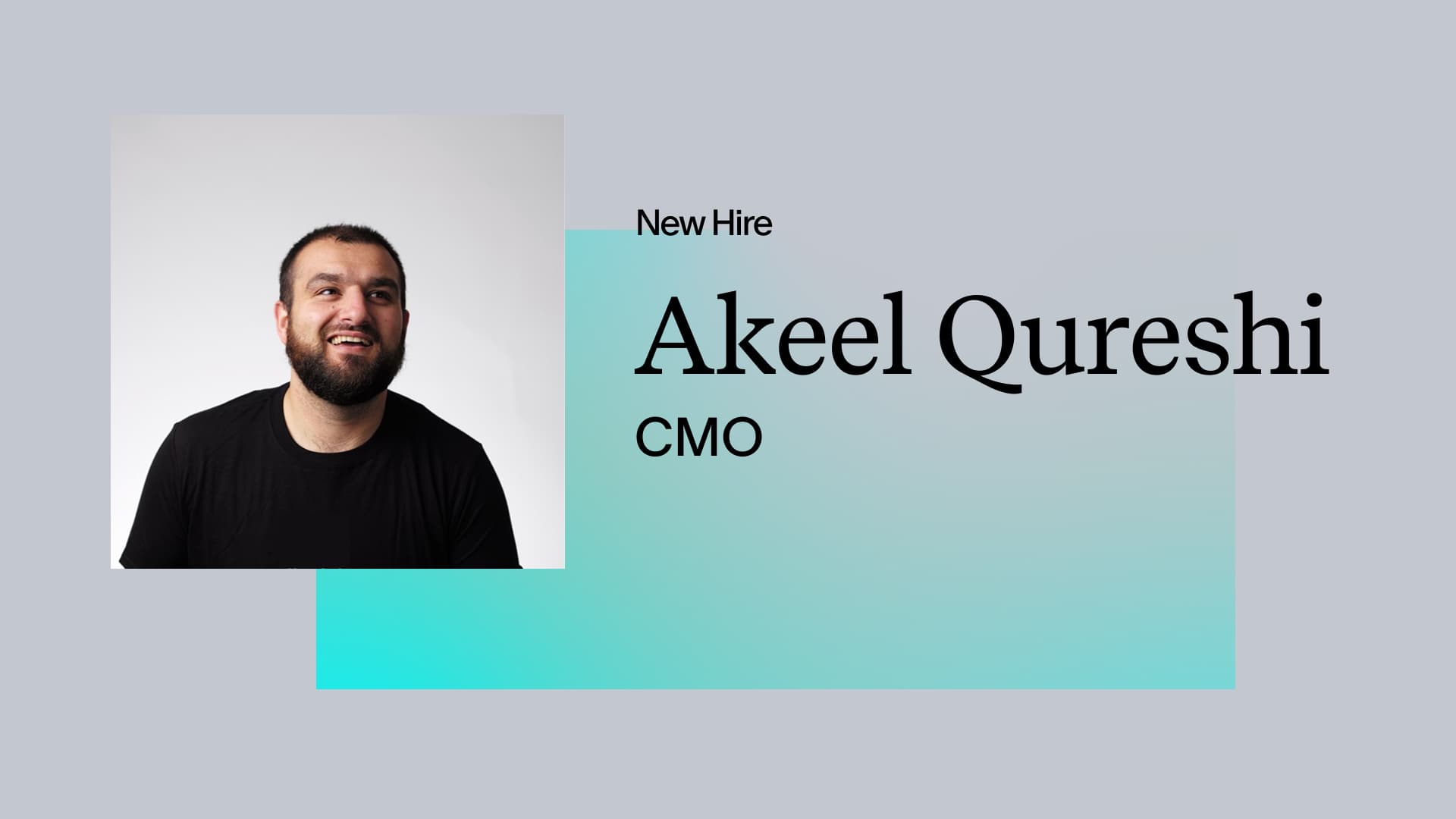
That is why I joined Movement as Chief Marketing Officer.
Movement is the rails. Licensed, live, and already moving money in the corridors I know best. Most infrastructure plays in this space are roadmaps. Movement is a network that exists today, in the markets that have been waiting the longest for it. What I have spent my career building toward and what Movement has already built are the same thing. Joining was the only decision that made sense.
The work now is market-building. Finding the fintechs and neobanks across Africa, Southeast Asia, and Latin America who need this infrastructure and making sure they know it exists. That’s the problem I have spent 15 years learning to solve.
I live in Africa. I use the products that run on this infrastructure. To me this is a family problem just as much as a financial one. The person sending money home, the neobank that cannot reach users across a border, the fintech building on rails that were never designed for where it operates. The network is for them.
15 years of building markets for things that do not have them yet. Yet, this time the problem being solved hits so much closer to home.
Movement: Where Money Lives